
Resources
Stone Veneer Maintenance in Miami
Ninety percent of the stone failures we get called about trace back to one of four maintenance mistakes. All four are avoidable and free.
By Miami Stone Veneer Specialists · Updated June 30, 2026
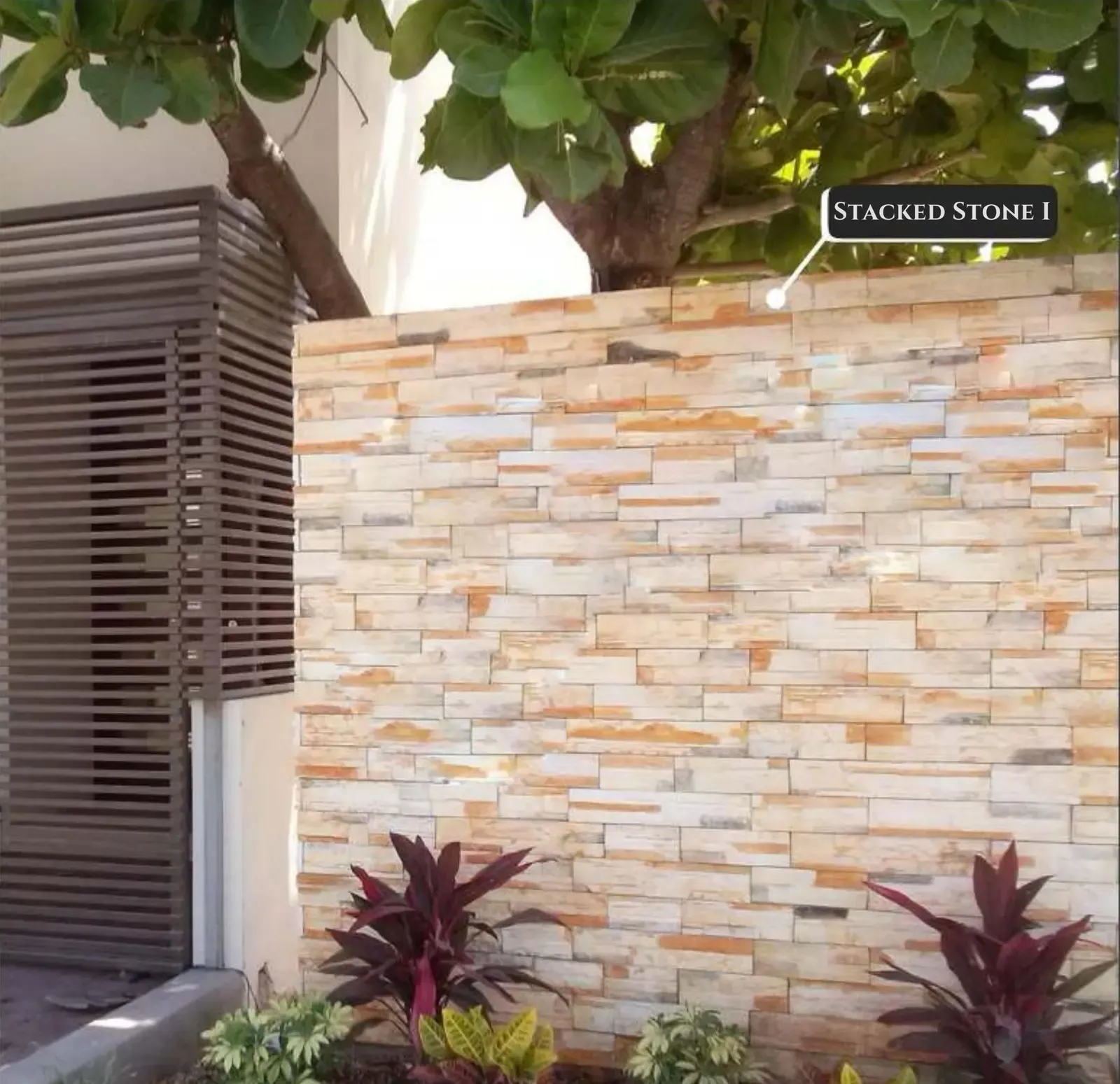
Stone veneer is close to the lowest-maintenance exterior finish available, and Miami Stone Veneer Specialists still gets more calls about maintenance damage than about material failure. Almost always because someone did too much rather than too little.
The whole schedule
| Interval | Task | Effort |
|---|---|---|
| Twice a year | Rinse with a hose, soft brush where needed | An hour |
| Yearly | Walk the wall. Look for cracked joints, hollow-sounding areas, staining | Ten minutes |
| Every 7–10 years | Re-seal (5–6 years within a mile of salt water) | A weekend or a contractor day |
| Every 20–30 years | Repoint mortar joints where worn | Contractor |
That's it. There is no annual treatment, no recoating, no colour matching. If someone is selling you a yearly stone maintenance contract, you don't need it.
The four things to never do
- Pressure wash. Forces water behind the veneer where it sits against the sheathing, and strips sealer. The single most damaging thing a homeowner can do.
- Acid wash. Usually attempted on salt bloom or efflorescence. It etches the surface permanently and makes the underlying problem worse by opening the pores.
- Use a film-forming or elastomeric sealer. Looks excellent for two years, traps vapour, then blows off in sheets taking face material with it.
- Plant against the wall. Irrigation spraying stone daily keeps it permanently damp and drives algae and efflorescence. Keep sprinkler heads pointed away and leave a gap.
Point four surprises people. We've seen more walls damaged by a badly aimed sprinkler than by hurricanes.
Sealing properly
Test first. Splash water on the wall. Beading means the sealer is intact. Soaking in and darkening means it's time.
Use a breathable penetrating sealer rated for masonry. It soaks into the surface rather than forming a skin, so the wall can still dry outward — which matters enormously in this climate.
Apply to a clean, dry wall, ideally on a run of dry days. Sealing a damp wall traps the moisture in. In Miami that means winter, not August.
Cost is roughly $1 to $2 per square foot done professionally, and it's the best-value maintenance spend on the whole house.
Repointing
Mortar is softer than stone by design, so joints wear first. That's not a defect — it's the sacrificial layer doing its job.
Around year 20 to 30, exposed elevations will show some joint recession. A repoint restores the wall to near-new, and because the stone itself hasn't degraded, the result genuinely looks new rather than patched.
Coastal walls come round sooner — salt attacks joints faster. If you're on the water, expect to look at this around year 15. Details in coastal homes.